

All Bachelor Degrees

Search for top schools in your state.

Find Your School in 5 Minutes or Less

Many schools have rolling admissions, which means you can start a program in a few weeks!

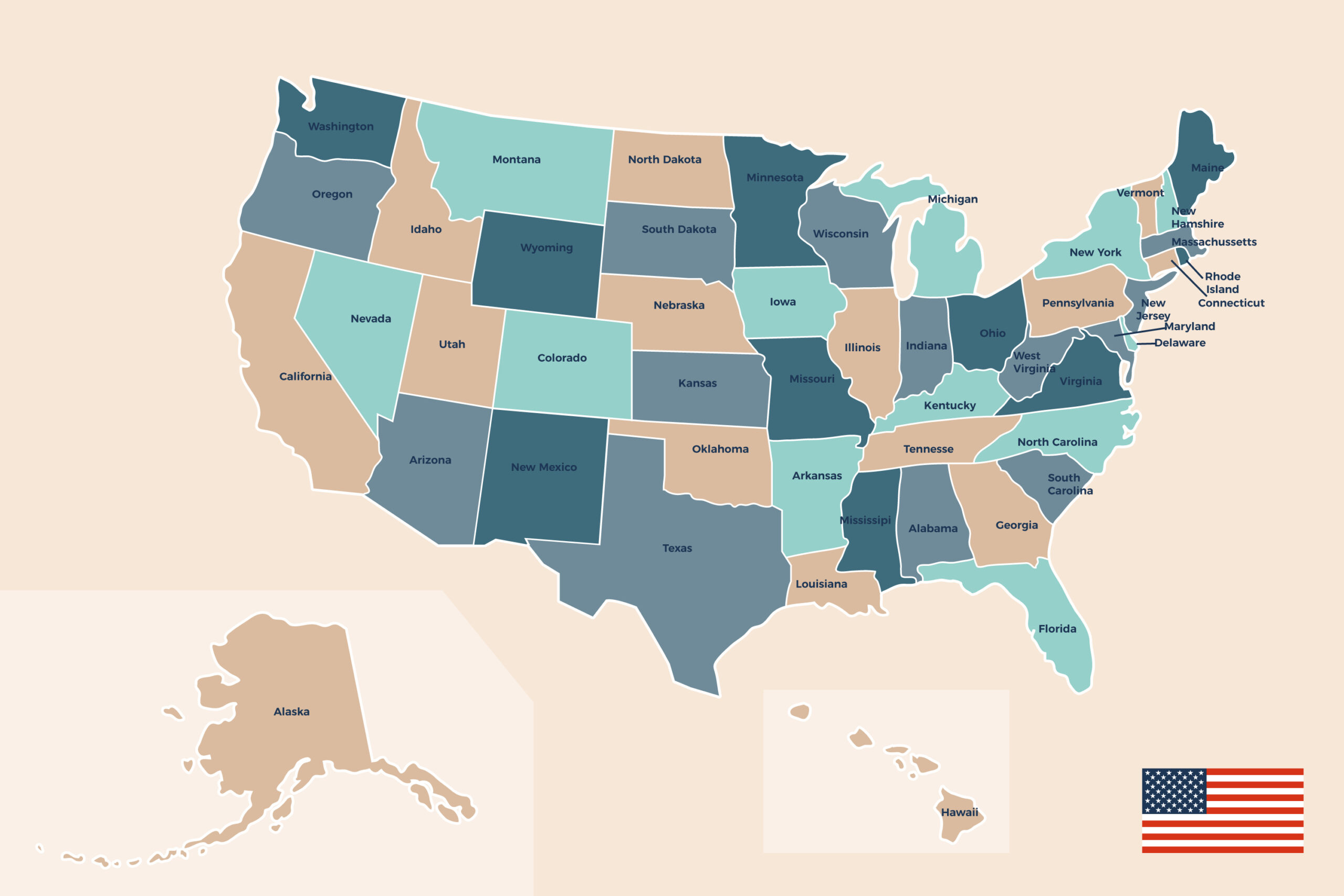
All Bachelor Degrees make the college search process easier with its new college finder tool. Just select the state you want to study in and find the latest information on the best schools by state, tuition information, popular majors, career opportunities, and more. 

Find the Best Schools by State

Just click on a state to find top colleges for different degree programs as updated on x, 2025.

Pick a State

Alabama

Alaska

Arizona

Arkansas

California

Colorado

Connecticut

Delaware

Florida

Georgia

Hawaii

Idaho

Illinois

Indiana

Iowa

Kansas

Kentucky

Louisiana

Minnesota

Mississippi

Missouri

Maine

Maryland

Massachusetts

Michigan

Montana

Nebraska

Nevada

New Hampshire

New Jersey

New Mexico

New York

North Carolina

North Dakota

Ohio

Oklahoma

Oregon

Pennsylvania

Rhode Island

South Carolina

South Dakota

Tennessee

Texas

Utah

Vermont

Virginia

Washington

West Virginia

Wisconsin

Wyoming

How to Choose Your College?

To make an informed decision when searching for the best education by state, you should consider the answers to the following questions. 

Academics

  • Shortlist 2–3 majors that you like 
  • What are the possible minors you are interested in?
  • Does the school offer your major?
  • Does it have a good academic reputation?

Cost & aid

  • Calculate the cost of attendance for 1 year instead of focusing only on tuition
  • Are the tuition and living costs affordable?
  • Are scholarships or financial aid available?
  • Will you be able to manage the student debt after graduation?
  • Public colleges and universities offer cheaper tuition than private colleges
  • In-state tuition at public colleges is significantly lower than out-of-state tuition

Campus life

  • Will you have access to safe and comfortable housing and facilities?
  • Is housing guaranteed for the first years?
  • Do the location and climate fit your preferences?
  • What clubs, activities, and social engagement opportunities does the school offer?

Career outcomes

  • Prioritize colleges with high graduation and job placement rates
  • Does the school offer strong career services and an alumni network?
  • Are there any internships, research, or study abroad options?
  • Access to industry, jobs, and cultural activities is crucial.

Location

  • How far is it from home?
  • What is the cost of living in the area?
  • What travel options are available? 
  • Is public transport easily available?

Additional considerations

  • What is the acceptance rate?
  • Consider the middle 50% High school GPA/ACT/SAT scores, if available
  • Is the college under consideration of a good reputation?
  • Does it align with your career goals?
  • Does the campus feel welcoming and supportive?
  • What is the student-to-faculty ratio?
  • How accessible is the faculty or support staff?

Take a Quiz to Pick Your College Major

Types of Colleges to Choose From

Here are the 4 main types of colleges you can access in the United States.

Public colleges and universities

Private colleges and universities

Online colleges and universities

  • Offer flexible, remote learning, which is ideal for working adults or distant learners.
  • Courses and degrees completed entirely or mostly online
  • Some are part of traditional universities; others are fully virtual
  • Examples: University of Phoenix, Southern New Hampshire University (SNHU)

Regional or commuter campuses

Price comparison

Here is how different types of colleges compare to one another in terms of cost and price: 

College type

Average academic year tuition

Notes

Public in-state

$9,750

In-state residents pay lower tuition

Public out-of-state

$28,297

Out-of-state students pay the same for housing and other utilities, but are charged higher tuition

Private for-profit

$38,421

Scholarships and financial aid can drastically lower prices

Private non-profit

$15,868

Scholarships and financial aid can drastically lower prices

Online private

$15,480

Often charged per credit

Online public

$10,110

Often charged per credit

Source: Education Data Initiative as updated on 2nd January 2026.

Still Confused? Here’s What You Can Do!

  1. Compare any two college majors
  2. Take a degree quiz
  3. Find the best colleges near me

Frequently Asked Questions

Which is the cheapest state for in-state tuition?

According to the Education Data Initiative, Florida is the state with the cheapest in-state tuition at $4,540 per academic year. In comparison, Vermont has the highest average in-state tuition at $17,600.

The average college tuition for 4 years varies by multiple factors, including college type, program type, mode of attendance, residency status, and so on. Moreover, tuition costs rise each year, typically doubling the inflation rate. 

Average cost for 2024-2025 at different institution types, as per Bankrate, is as follows:


  • Public out-of-state students – $30,780
  • Public in-state students – $11,610
  • Students at private colleges – $43,350

You don’t have to be sure about which major to pursue right at the start of your college search process. Make sure to compare as many majors and programs as you need, take into account costs, career opportunities, earning potential, and more before making your final decision. You can also use the following tools to help you:


  • Take the 2-minute degree quiz
  • Compare 2 majors

Yes, the general residency rule is to have at least one year of state residency before becoming eligible for in-state tuition. The one-year residency rule also applies to students whose family moves in senior year.