
Key takeaways
- An event photography course can help you develop a wide range of transferable skills applicable across the diverse photography field.
- The ideal starting point for an aspiring professional photographer is a digital photography degree.
- You can choose to pursue event photography as a concentration and take up relevant internships to gain needed expertise.
- However, photography is an evolving field, and continuing studies through event photography classes can prove to be incredibly beneficial.
- Through event photography courses, you benefit from networking opportunities, develop professional skills and competencies, and gain the confidence you need to succeed.
- Photography jobs you can get with event photography courses include Wedding Photographer, Corporate Event Photographer, Concert Photographer, and so on.
- Some excellent event photography courses for beginners and professionals include those by Steele Training, UC San Diego Extended Studies, Udemy, and others mentioned below.
In an era where every moment is captured, curated, and shared, photography has evolved from a passion to a lucrative profession. Among its many specializations, event photography stands out as one of the most dynamic and in-demand areas. Whether it’s a wedding, corporate function, music festival, or charity gala, skilled event photographers are in high demand to capture and preserve memorable moments in time.
But how do you go from hobbyist to a professional in this field? The answer lies in taking a structured photography course for event photography. These courses provide not only technical knowledge but also open the door to various career opportunities across the digital photography landscape. In this guide, we explore how.
What is event photography, and why is its demand rising?
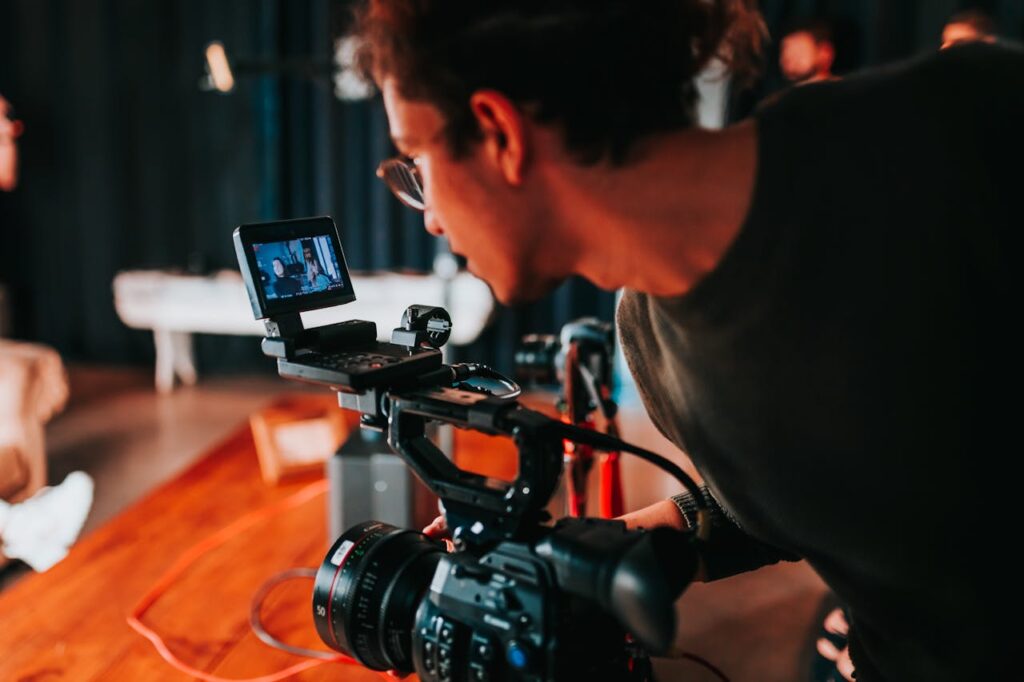
Event photography is simply described as the capturing of images at large-scale gatherings, categorized as events. These include corporate events, birthday parties, bar mitzvahs, and, of course, the most popular event of all, weddings. With the rise in use of social media and digital marketing, the demand for high-quality visual content has skyrocketed.
Related: How much to charge for event photography? The smart photographer’s blueprint
Organizations and individuals alike now seek polished imagery to represent their brand or commemorate milestones. From behind-the-scenes coverage of events to professional portraits and action shots, event photography plays a central role in storytelling. However, capturing live events comes with its unique challenges, unpredictable lighting, fast-paced environments, and managing large groups of people. This is where a formal event photography course becomes invaluable.
What skills do you learn in an event photography course?
Event photography might sound simple and convenient. However, it is anything but. To capture moving subjects in an ongoing event is a very difficult task. Not only must you be able to monitor and capture important moments, but you must also ensure the images you click are in focus, even if your subjects are moving. Working with so many moving variables requires substantial skills, which is where event photography courses come in handy.
Reputable event photography classes blend theory and hands-on training to ensure students are well-equipped for real-world scenarios. They feature the ideal balance of theoretical and hands-on learning opportunities. Here’s a list of topics you can expect to cover in photography and editing courses, specifically those teaching event photography, and the skills you can expect to develop.
What makes photography classes even more beneficial is that these skills don’t just apply to event photography; they’re transferable across multiple photography niches such as sports photography, landscape photography, portrait photography, and so on. Thus, making an event photography course a smart investment for aspiring professionals.
- Camera Fundamentals – Understanding aperture, shutter speed, ISO, and how to manipulate these settings in changing environments.
- Lighting Techniques – Mastering natural light, flash, and off-camera lighting for optimal results in diverse settings.
- Composition & Storytelling – Learning how to frame shots creatively while capturing the narrative of the event.
- Post-Processing – Using software like Adobe Lightroom and Photoshop for image editing and batch processing.
- Client Management – Communicating effectively, understanding client expectations, and delivering high-quality results.
- Portfolio Building – Guidance on curating a professional portfolio to attract future clients or employers.
However, that is not all. There are significant advantages to pursuing event photography courses. Some key advantages include:
Networking opportunities
Your connections can get you in the door, and your skills will help you create your place. However, for the doors to open, you do need contacts, and what better place to develop a network of like-minded individuals than through event photography courses. Here, you get a chance to engage with budding and established professionals alike, some of whom might be better connected than others.
So, make sure to engage with everyone and try to build cordial relationships so you can access a wider range of employment opportunities.
Related: Are photography and video editing courses useful?
Development of professionalism
Event photography can be quite stressful. Coordinating a large group of people is always a challenge, and to do that in a time crunch is even more challenging. Through event photography courses, you also learn professionalism and crowd management. The program covers every aspect of event coverage, ensuring you are able to maintain your cool and get the job done as smoothly and professionally as possible.
Related: Find the best graduate photography programs in the US
Gain confidence
You can learn all you need to in a classroom, but you will only gain the confidence needed to succeed professionally through hands-on learning opportunities, and an event photography course will offer multiple practical work opportunities. By regularly engaging with clients, working with a team, and taking on solo projects, you build the confidence needed to take on any kind of role possible.
What jobs can you pursue with event photography courses?
The viability of any educational program is determined by the career opportunities it opens up, as well as how financially rewarding these opportunities are. The beauty of a career in digital photography is that you don’t always have to run after a job. Digital photography is a skill-based field, which means you can pursue a career as a freelance photographer by putting your skills to use. You can even start your event photography business with the skills you will learn through these classes.
However, running a photography business or pursuing your career as a freelancer requires substantial risk-taking. That is not an easy feat, and not everyone is cut out to be an entrepreneur or able to secure funding to fuel their entrepreneurial vision. Luckily for them, there are several digital photography jobs they can explore. Some of these are mentioned below.
Related: How to land contract photography jobs?
Wedding photographer
Average annual salary: $73,628
Wedding photography is one of the most lucrative branches of event photography. It requires a delicate balance of technical skill and emotional intelligence. You’ll need to capture everything from staged portraits to candid emotions and intricate decor.
An event photography course prepares you for the demands of such high-stakes environments, ensuring that you can work under pressure, manage people, and adapt quickly to changing conditions.
Corporate event photographer
Average annual salary: $85,153
Corporate event photography is one of the most financially rewarding event photography. Businesses often host seminars, product launches, networking events, and award ceremonies. These moments are crucial for branding and internal communication, and thus, they are properly documented through images. Many of these images are then used for business publications, PR, digital marketing, and so on.
Event photography classes teach you how to navigate formal settings, capture professional headshots, document key moments, and deliver polished images that align with corporate aesthetics.
Concert and festival photographer
Average salary: $20 per hour – average annual rates vary based on multiple factors, including the scale of the concert, the artist, venue, and how many concerts or festivals are covered.
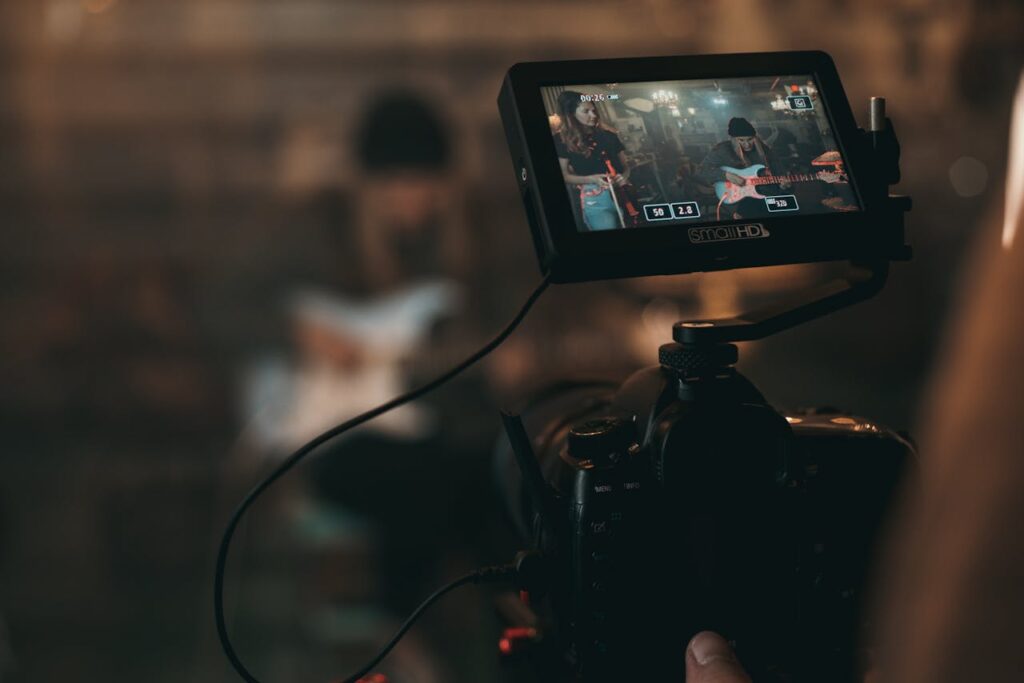
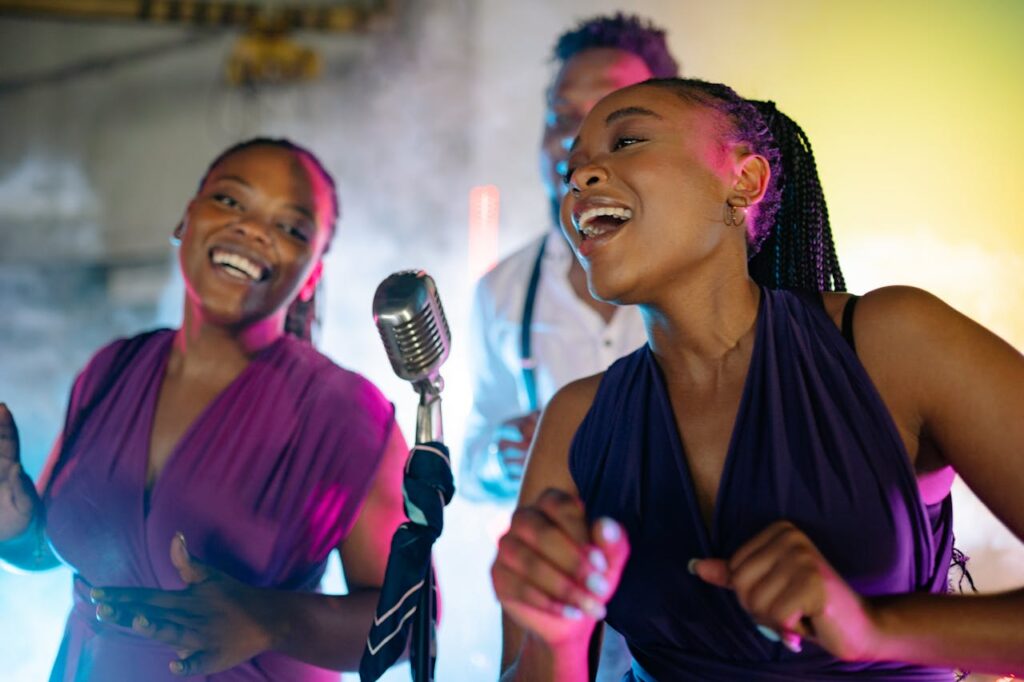
If you love music and live events, this path might be for you. Working in high-energy, often chaotic environments requires the right gear and skill set to capture artists mid-performance, crowd reactions, and stage details. Your event photography course provides you with knowledge of low-light techniques, movement tracking, and fast shutter speeds, all critical for this fast-paced niche.
However, you will have to arrange all the needed equipment yourself. You may be able to rent it or borrow it if you have the right connections. But it is important to note that event photography classes only teach you how to use the equipment, but they will not provide it to you for paid gigs.
Photojournalist
Average annual salary: $78,503
Event photography doesn’t always mean private parties or corporate functions. It also plays a role in news and documentary photography. Covering protests, political events, or community stories is a form of visual storytelling with journalistic integrity.
A solid foundation from an event photography course can prepare you for capturing impactful images that convey emotion and context, which is essential for photojournalism.
Digital Content Creator
Average annual salary: $59,929
We live in a digital age where the power of social media has transcended all traditional boundaries and set new records, especially in terms of consumer engagement, digital marketing, and audience outreach. Social media influencers and content creators are at the forefront of all those leveraging the power of social media.
Today, influencers, YouTubers, and online educators frequently hire photographers to document their events, workshops, or brand launches. Moreover, it is a very lucrative line of work as a professional photographer if you choose to work with established social media celebrities.
Event photography classes help you understand the visual language of digital content, allowing you to create imagery optimized for social media platforms and websites. You may even pivot into content creation yourself.
List of some of the best event photography classes
If you are ready to embark on your journey to becoming the best event photographer out there, the ideal starting point would be through a digital photography degree. However, if that doesn’t feel right for you can either consider photography workshops or explore the following event photography classes.
- Secrets of Successful Event Photography – Steele Training
- Event Photography Shoot – Creative Live
- Events and Action Photography Course – WolFang Digital
- Wedding and Event Photography – UC San Diego Extended Studies
- Event Photography: Launch a Profitable Photo Business Fast – Udemy
Become a professional event photographer with the right event photographer course!
Photography is a diverse field. The ideal starting point for any aspiring photographer is a digital photography degree. You can either pursue a Bachelor of Fine Arts in Photography or a Bachelor of Arts in Photography. Through the program, you will develop a range of professional competencies and skills needed to succeed in the field.
Additionally, you will be able to choose a concentration area in a photography major. Options include fine art photography, commercial photography, fashion photography, and, of course, event photography, among others. However, if you truly want to pursue event photography as a profession, you will need to pursue relevant event photography classes within and outside a digital photography program to keep up with evolving technologies.
Make sure you continue learning, for it is the only way to stay relevant as a professional in a dynamic and evolving field.