

Key takeaways
- Liberal arts colleges in cities offer students better access to industries, real-world experience, and career opportunities compared to rural counterparts.
- Nearness to industry hubs allows students to secure valuable internships that often lead to job offers in different industries, including media, tech, finance, and so on.
- Urban colleges offer frequent access to job fairs, guest lectures, mentorships, and alumni connections, which are harder to come by in remote areas.
- City-based colleges expose students to diverse cultures and global perspectives, building intercultural communication and empathy.
- Urban liberal arts students engage in real-world projects, such as art exhibitions, policy work, and nonprofit involvement, that enhance their resumes and build practical skills.
- Additionally, city-based liberal arts colleges open doors to careers in creative arts, media, public policy, and social justice, with competitive salaries.
- Liberal arts colleges in cities support students interested in freelancing or starting businesses, with access to coworking spaces, entrepreneurship programs, and startup networks.
When it comes to choosing the right college for a bachelor’s degree in liberal arts, location plays a major role. The location not just impacts your lifestyle but also determines the career opportunities available to you. If you’re considering liberal arts colleges in cities, you’re already giving yourself an edge in terms of opportunities. Unlike rural campuses, colleges near cities offer students more than just education. They offer real-world access, professional networks, and career readiness.
But what exactly makes urban liberal arts programs so unique in terms of career prospects? Let’s explore how these city-based colleges open up exciting doors for liberal arts majors.
What advantages do liberal arts colleges in the cities offer?
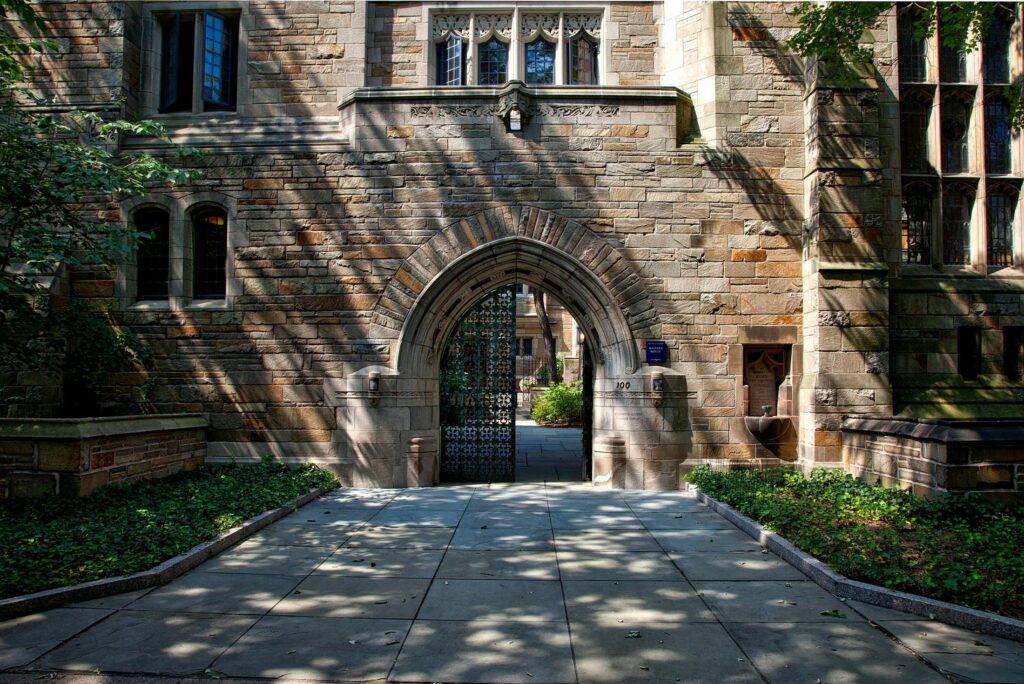
Liberal arts colleges in the US are mostly private colleges in small cities. They offer a classical liberal arts education, which is very unlike the modern bachelor’s program experience, focusing primarily on one specialized field. Even though many question the relativity and worth of a traditional liberal arts program in today’s modern world. However, research indicates that employers actively seek candidates with skills developed in liberal arts programs, such as critical thinking, problem-solving, analytical reasoning, and so on.
But when it comes to choosing the right liberal arts college, location is a key consideration. Liberal arts colleges in the cities offer graduates a number of additional advantages alongside a comprehensive liberal arts education experience. Let’s explore some key advantages that come with choosing a college in the city.
Internships with industry access
Internships are essential for liberal arts students as they enable students to gain real-world experience. They provide students with the opportunity to apply the knowledge gained in classrooms in practical settings. One of the biggest advantages of studying at liberal arts colleges in cities is proximity to industries.
Whether it’s media in New York, tech in San Francisco, finance in Chicago, or policy in Washington D.C., urban colleges are often closely tied to the sectors that drive these cities. This real-world exposure not only strengthens graduates’ resumes but often leads directly to job offers after graduation.
Liberal arts students frequently land internships at:
- Nonprofits and NGOs
- Marketing and public relations firms
- Government agencies
- Publishing houses and media outlets
- Startups and creative agencies
Networking opportunities in urban hubs
Liberal arts colleges regularly organize guest lectures, seminars, and discussion panels. However, organizing such events or getting professionals to come to remote locations may prove challenging. Thus, the chance to attend job fairs, panels, guest lectures, and professional meetups is far greater in cities. Colleges near cities benefit from their proximity to industry professionals and alumni who are more likely to visit or partner with schools in urban areas.
These networking opportunities provide students with much-needed clarity and professional guidance when choosing a career path. Moreover, students at these colleges can:
- Join professional organizations early
- Attend exclusive conferences and summits
- Meet mentors from a wide range of industries
- Participate in city-based career accelerator programs
Global and multicultural exposure
Another major advantage of pursuing a liberal arts education in cities is the exposure one gets. Cities often feature a diverse population with people from different cultures, races, ethnicities, and religions, coming together. This multicultural exposure and global learning environment are essential for aspiring professionals as they enable the development of skills , knowledge, attitude, and values needed to thrive in the global economy.
At liberal arts colleges in cities, students naturally develop intercultural communication skills by interacting with diverse communities. Through the program, students develop empathy, a deeper understanding of diverse cultural perspectives, and the ability to communicate effectively with people from different backgrounds. Being in a city offers an unmatched global learning environment that enriches their educational experience and enhances their employability.
Related: What do you need to know about the difference between liberal arts colleges and universities?
This enhances career paths in:
- International relations
- Translation and interpretation
- Global marketing and business
- Cross-cultural education and training
Civic engagement opportunities
City campuses inherently offer more community-engaged learning, including artistic and cultural involvement and policy and advocacy opportunities. Urban liberal arts students participate in local art scenes, public exhibitions, community design projects, and cultural festivals as part of coursework or extracurriculars. These real-world engagement opportunities build confidence, teach students the art of interaction and communication, and help connect with other like-minded individuals. But most importantly, they serve as resume-building opportunities.
Related: What is the student experience like at the most liberal colleges in the US?
Additionally, liberal arts students also connect with government agencies, NGOs, and nonprofits. The flexible academic structure of a liberal arts program, aided by access to local institutions, allows students to engage in meaningful work from day one.
What unique career opportunities are available at liberal arts colleges in cities?

Liberal arts colleges, regardless of their location, truly offer a unique student experience, quite unlike that of traditional universities. However, liberal arts colleges in the cities also offer unique career opportunities that significantly enhance the value of a liberal arts education. In fact, according to a report by Harvard Business Review, more than 90% of employers state they are more likely to hire graduates with internships and apprenticeships.
Related: What career paths can emerge from getting a liberal arts education from the best colleges in the US?
Creative arts and media careers
If you’re interested in the creative arts, being in a city is almost a necessity. Students at liberal arts colleges in cities can tap into vibrant creative communities. Many students even get involved in city projects, exhibitions, and internships while they study. This is something far less accessible at rural institutions. Here are some potential career paths alongside their earning potential.
| Job title | Average annual salary |
| Art Gallery Curator | $70,870 |
| Music Producer | $92,856 |
| Event Coordinator | $59,848 |
| Journalist | $60,280 |
| Film and Television Producer | $102,770 |
Related: Do cheap art schools offer a comprehensive liberal arts degree experience alongside art training?
Opportunities in public policy and social justice
Urban colleges often have close ties with local governments, advocacy groups, and nonprofit organizations. Liberal arts students majoring in political science, sociology, or international relations can pursue various career opportunities. Whether you are considering interning with city council members or political campaigns, or joining grassroots movements directly impacting communities to drive social change, liberal arts colleges near cities provide plenty of opportunities.
Here are some career opportunities in public policy, public administration, and social work, and their earning potential.
| Job title | Average annual salary |
| Social Worker | $61,330 |
| Advocacy Manager | $112,487 |
| Policy Analyst | $103,146 |
| Fundraising Manager | $133,620 |
| Community Developer | $84,388 |
Freelance and entrepreneurial opportunities
Urban areas are often hotbeds for innovation. Liberal arts graduates with skills in writing, design, communication, or critical thinking can easily tap into freelance gigs or startup environments. Many colleges near cities even offer entrepreneurship hubs and co-working spaces to help aspiring entrepreneurs. Additionally, they provide networking opportunities with local startups.
Moreover, students can also benefit from digital freelancing platforms specific to their metropolitan areas. These experiences allow liberal arts students to build portfolios and even start their own ventures while still in college. Here are some freelancing opportunities and entrepreneurial career paths that graduates from liberal arts colleges in the cities can pursue.
| Job title | Average annual salary |
| Graphic Designer | $61,300 |
| Content Writer | $83,788 |
| Digital Marketing Specialist | $73,001 |
| Data Analyst | $91,949 |
| Entrepreneur | $132,753 |
Benefit from a wide range of career opportunities at liberal arts colleges in cities!

Choosing from among the many liberal arts colleges in cities is not just about enjoying urban life; it’s a strategic move for your career. These colleges bring together academic rigor and unmatched access to professional experiences that rural colleges simply can’t replicate. If you’re looking to gain more than just a degree, liberal arts colleges in the cities are ideal for you.
Related: What arts and humanities jobs can you get with a liberal arts degree?
Here, you benefit from mentorship, internships, creative freedom, and a head start on your career. Moreover, there is a wide range of liberal arts colleges near cities, so students have plenty of options to choose from. The learning opportunities at liberal arts colleges in cities are endless, making it ideal for those who want to progress in their professional careers.
Explore “How does a liberal arts degree prepare you with key skills for a changing job market?”