
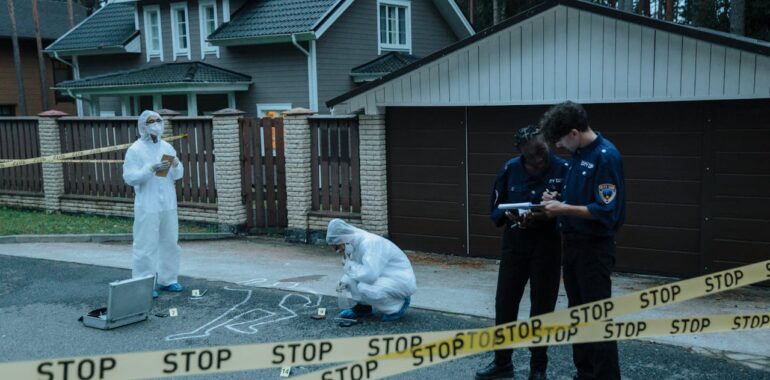
Key takeaways
- Crime scene investigator training provides first-hand research experience which can aid criminologists perform their duties.
- Although criminology may seem academic or office-based, it is deeply connected to hands-on crime scene investigation.
- Hands-on CSI training allows criminologists to collect and interpret data directly, leading to more objective and reliable findings.
- CSI training provides critical skills like evidence collection, documentation, forensic analysis, and crime scene management, which are transferable skills essential for law enforcement careers.
- Understanding criminal behavior, profiling, and motives enhances roles like detective, police officer, or correctional officer.
- CSI training helps develop competencies such as attention to detail, analytical thinking, problem-solving, communication, and adaptability.
- With CSI training, a criminologist can obtain roles such as a crime scene technician or crime scene investigator within law enforcement agencies.
At first glance, criminology may seem like an office-based role and unrelated to other law enforcement agency positions. After all, it only involves studying crime and criminal behavior, so what does crime scene investigation have to do with it? And when we have crime scene investigators, why would other law enforcement roles require an understanding of crime scene investigation? The truth is, all these fields are very closely related.
This guide explores how the skills learned through hands-on crime scene investigator training are transferable across multiple roles in law enforcement, especially for criminologists. Before we dive into how crime scene investigation relates to criminology, let us first develop an understanding of the field and all it entails.
Related: What are the top-rated crime scene investigation jobs in the USA?
What is criminology?

Criminology is defined as the scientific study of crime, criminals, and criminal behavior. It is a multidisciplinary field involving both behavioral and social science aspects to get a deeper understanding of the underlying factors that give rise to criminal minds and criminal behavior. Moreover, criminologists also study the response of law enforcement policies and strategies to identify problem areas and understand how these policies and their implementation affect crime.
However, the way to study a social phenomenon that is constantly evolving requires more than just reviewing documents and second-hand analysis. Using someone else’s findings as the basis for research can hinder the research’s credibility. Moreover, it can introduce the element of bias in your findings, as while you, as a criminologist, are trained to keep your personal opinions out of the documentation, not everyone else involved in crime scene investigation is.
Related: Why study criminology?
So, how do we tackle these issues? By developing first-hand knowledge and expertise in closely related fields. When you know the steps and techniques used for crime scene investigation, you can contribute to investigation efforts more efficiently. Let’s explore the field, understand what CSI training entails, and take a deep dive into how it can help criminologists in law enforcement roles.
What is CSI?
CSI stands for Crime Scene Investigation. It is a systematic process of marking the crime scene, carefully examining it, collecting evidence, and transporting it to the lab for further examination. A CSI works closely with forensic scientists who may also be included in the Crime Scene Investigation process. Together, they identify, collect, and examine evidence to reconstruct the events and help determine the people involved and potentially identify the culprit.
The job of crime scene investigators is of utmost importance. Their contribution is vital to the progress of criminal investigations and legal proceedings. They use scientific analysis to provide irrefutable facts and offer key insights that can shape the way a criminal investigation proceeds. Their primary roles and responsibilities include:
- Securing the perimeter – They identify and close off the crime scene, ensuring that they do not miss out on a crucial piece of evidence.
- Evidence collection – A CSI carefully collects every possible piece of evidence and stores it in sterile containers to prevent contamination.
- Analysis – After ensuring that the evidence safely reached the forensic lab for analysis, a CSI may aid forensic scientists in analyzing the evidence gathered.
- Documentation – Carefully documenting what samples were collected, what the crime scene looked like, and the procedures followed is essential for evidence to be submissible in court. Thus, documentation is another essential responsibility a CSI must fulfill.
Related: How much do crime scene investigators make an hour?
What does crime scene investigator training entail?
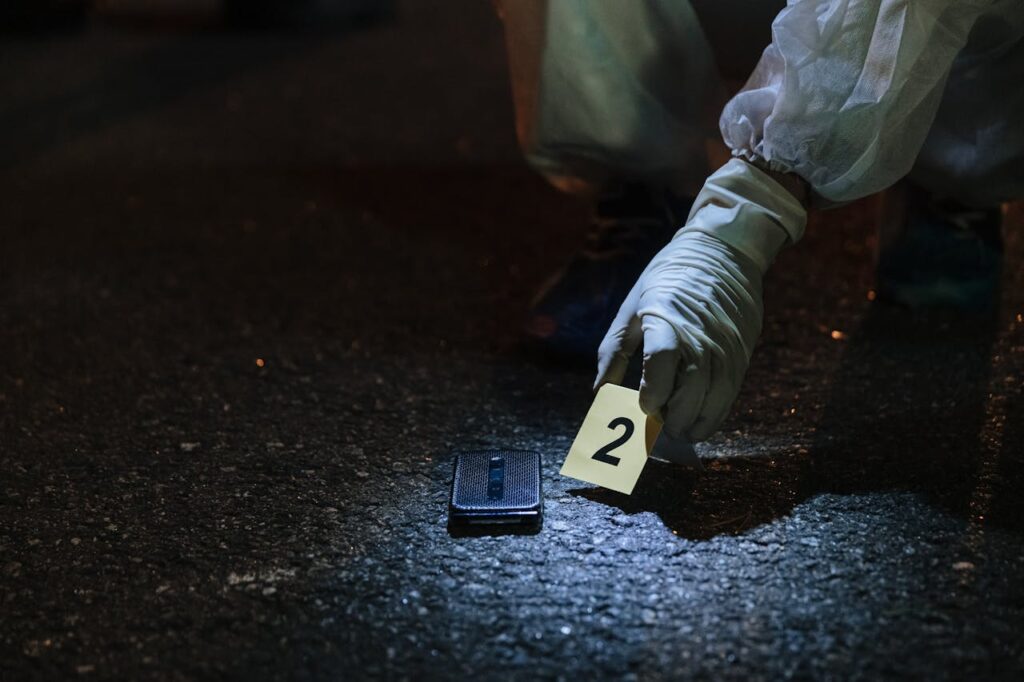
Put simply, through hands-on crime scene investigator training, you will learn how to perform the complete range of tasks a crime scene investigator must do on the job. This includes everything, from securing the crime scene, analyzing the crime scene, collecting samples, including DNA, fluids, gunpowder, or other forms of residue, such as hair, saliva, urine, semen, and so on.
Related: Find the best online crime scene investigator colleges in the USA
Moreover, they must check for poison, gun powder residue, and conduct a physical examination of the victim’s body (if applicable). Frankly, the list is quite long. Here is a general overview of what the training will entail.
- Crime scene management
- Preventing crime scene contamination
- Documentation
- Chain of custody
- Witness testimony
- Photography
- Fingerprinting
- Bloodstain pattern analysis
- Ballistics analysis
- Toxicology analysis
The training combines theoretical knowledge with practical training. Through hands-on training, you get to apply principles, theories, and forensic techniques learned in the classroom to the practical field.
How can crime scene investigator training benefit criminologists in pursuing law enforcement careers?
A criminologist’s job is to study crime, criminal behavior, and criminal minds. While criminologists don’t necessarily need field experience, it can significantly help enhance a criminologist’s understanding of a particular case. First-hand research and analysis remove the element of bias that may have been included subconsciously during documentation.
Through first-hand crime scene analysis, criminologists are able to examine the evidence and get deeper insights into the crime’s dynamics, criminals’ characteristics, chain of events, and more. Being part of the process can aid them in the development of criminal profiles and make for fairer case analysis and findings. But how does it aid in law enforcement careers?
The fields, criminology, crime scene investigation, and law enforcement all fall under the broader criminal justice category. So by design, they are all interrelated and interdependent for the prevention of crime in a society. Some popular law enforcement careers are:
- Police Officers
- Detective / Criminal Investigator
- Correctional Officer
- Border Patrol Agent
Related: What are the jobs in law enforcement that are not police?
What skills do you need for a career in law enforcement?
A career in law enforcement can be quite demanding. Here are just some of the essential skills you need for law enforcement career:
- Attention to detail – this is of the utmost importance, as if you miss out on an important clue, you might be unable to solve a case. In life-threatening cases, such as a kidnapping or stalking, that can be a matter of life and death.
- Critical thinking – be ready to question everything. Look at the same scenario from different perspectives, ask the right questions to find the answers that can make or break a case.
- Analytical thinking – analytical skills involve the ability to break down complex information into smaller, useful parts. This one skill can save you a ton of time during criminal investigations.
- Problem-solving skills – a case is like a riddle, and those who love puzzles, finding clues, and providing solutions are ideal for a career in law enforcement.
- Active listening – As a law enforcement professional, you will need to take down witness testimonies, testimonies of the victims, cross-question suspects, and try to find discrepancies and clues in their statements.
- Interpersonal skills – Law enforcement careers mostly include jobs that require face-to-face dealing with a multitude of people, from victims, witnesses, suspects, criminals, lawyers, investigators, forensic specialists, and so on. You must be able to communicate with each party effectively to lead a successful career.
- Adaptability – No two days in the life of a law enforcement officer are the same. Some days may be relatively calmer, while others can be full of chaos and stress. Adaptability is another key skill for those seeking a career in law enforcement.
What skills will you build with hands-on CSI training?
Hands-on crime scene investigator training is a comprehensive program that equips aspiring Crime Scene Investigators with the skills needed not just for crime scene investigation, but also for a wide range of law enforcement careers, including crime scene technician. Here are some transferable skills applicable across both fields that you can learn through hands-on training.
- Critical thinking
- Communication
- Investigative techniques
- Observation
- Problem-solving
- Adaptability
All of these are skills that are transferable to virtually any job in law enforcement. Combined with your knowledge of criminal minds, ability to create criminal profiles, and identifying telling signs during interviews, you would be the ideal candidate for law enforcement jobs. However, you will need to undergo vigorous training and be physically fit to become eligible for roles such as Police officer, Correctional officer, and so on. Moreover, with CSI training, a criminologist can develop the skills needed to become a CSI, or a crime scene technician in law enforcement agencies.
Related: Explore some highly-rated criminal justice jobs?
Become a law enforcement professional with a criminology degree and CSI training!
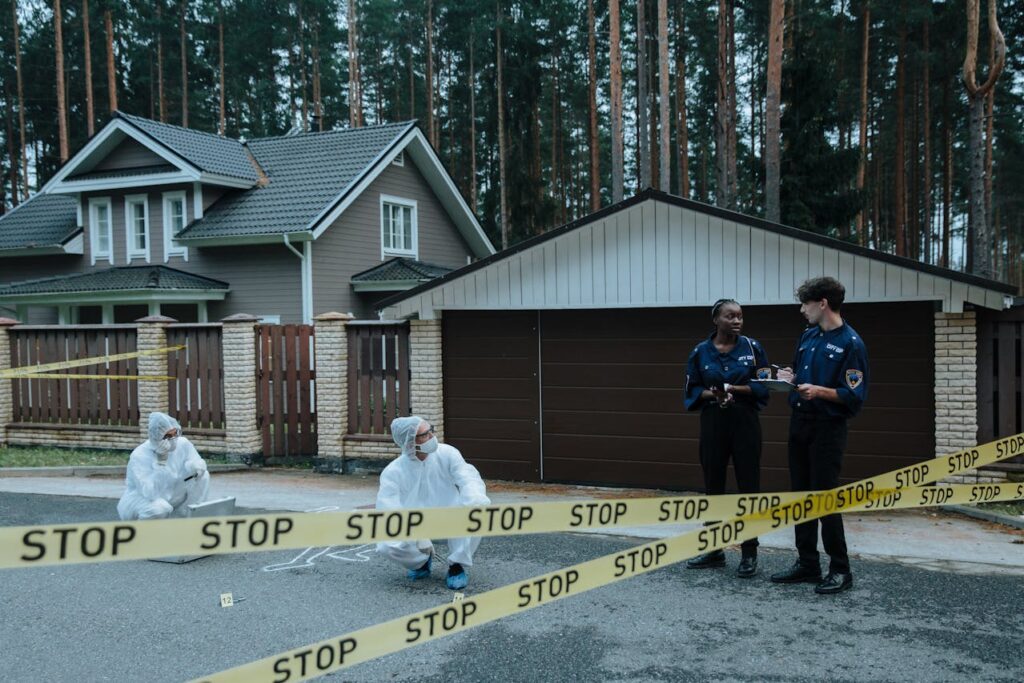
A change of heart when it comes to career choices is very normal. Initially, you may feel like criminology is the right career choice for you. However, if you at any point in your career decide on law enforcement positions such as that of a detective or a Crime Scene Investigator, you can very easily build the skills needed through hands-on crime scene investigator training. Make sure you outline the skills you want to build and focus on finding programs that can help you develop those.
Related: Explore the most in-demand criminal justice jobs in Maryland
Moreover, training is not all you need to lead a successful career. You must also build connections, communicate with law enforcement professionals, and learn more about daily life and career challenges before making a career switch. Regardless of which direction you want to go, we wish you the best of luck!