

Key takeaways
- Photography and editing classes can prove a real asset for aspiring digital photographers as they offer a multitude of benefits besides learning.
- Digital photography is a diverse field requiring a blend of creative and technical skills and ongoing learning, as technical advancements in the field are continuously growing.
- Through a photography and editing class, you can build the skills you need without committing to a four-year degree.
- Some benefits of pursuing photography and editing courses include affordability, learning flexibility, the ability to customize learning takeaways, build a specialized skill set, and more.
- Essential digital photography skills you can build through courses include camera operation, image composition, lighting, use of camera gear, post-processing images, and so on.
- The University of Utah offers a range of photography and technical classes for digital photography professionals, allowing them to keep up with changing technologies.
- You can also find excellent photography and editing classes at Rocky Mountain College of Art and Design, The School of Photography, Udemy, Skillshare, and more.
A digital photography career has long been an incredibly attractive option for a multitude of reasons. The visual arts are now a sought-after field as visuals are no longer an embellishment in our communication patterns. Videos and images are now at the heart of the communication industry and are often the mode of information dissemination.
Whether you want to go into digital photography or generally into media, communications, or visual arts, photography and editing classes can equip you with the knowledge, skills, and tools you need. This guide explores how these courses can help you advance your digital photography career and which courses you should consider pursuing as an aspiring professional photographer.
What do you need for a digital photography career?
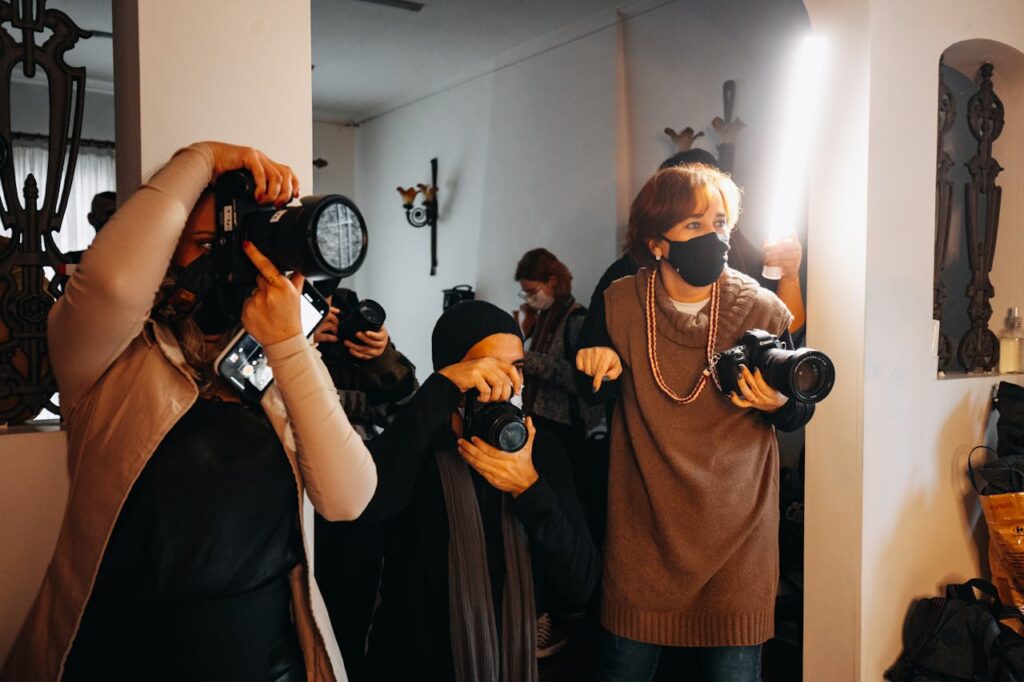
Digital photography is a diverse field that blends artistic vision with creativity and technical skills. Moreover, it features a wide range of subfields, each with its own unique features. So, if you want to become a digital photographer, you need a lot more than just a camera. You need an artistic sense, creative vision, technical skills, including camera operation, image composition, lighting, post-processing, and so on, a strong portfolio, business acumen, and so much more.
If you are serious about pursuing digital photography as a career and want to learn all there is to know about the field, the first step is to get a digital photography education.
Digital photography education
A formal education in the field of digital photography comes in many shapes and forms. As an aspiring digital photographer, you can choose from an associate’s degree in photography, a bachelor’s degree in digital photography, and even a master’s degree in photography. However, if a college education isn’t something you are considering and want to keep your options open at the moment, you can even opt for photography and editing courses.
Several renowned photography colleges and universities offer photography and editing classes. These short-term courses are great for those who want to first get an idea of what a photography education entails. Moreover, these courses offer students enhanced flexibility, allowing them to choose programs targeting their specific pain points.
Suppose you are already a somewhat established photographer with a photography business. You now want to learn new skills, such as photo editing or learn how to use a new tool, you can easily do so through relevant photography and editing courses. Moreover, these courses and classes are excellent for professionals who want to enhance their skill set and continue their learning.
However, if you are just starting out in the field of digital photography, a digital photography degree is the ideal starting point. It covers everything from theory to technical aspects and provides several networking and portfolio-building opportunities.
Related: Should I get a digital photography degree?
Digital photography skills
Photography is primarily a skill-based field, and here your skills matter more than your educational qualifications do. However, both things often go hand in hand. You cannot develop a well-rounded photography skill set without taking the relevant photography and editing classes. In this field, self-learning only goes so far. Here are some essential skills you will need to pursue a career as a professional digital photographer.
Related: How can private photography lessons help you?
Technical skills
Technical skills entail a variety of operations and functions, and the use of tools essential for high-end photography. These range from mastering your camera and learning how to set ISO, shutter speed, exposure, and so on, to understanding which gear to use for different types of shots and photography. Whether you are a novice, a hobbyist, or an established photographer, you will find photography and editing classes tailored to help you learn the skills you need.
Related: What essential techniques can you learn in a documentary photography workshop?
Master composition and lighting
The composition and lighting are key aspects within the field of photography. These two alone make for some of the major distinctions between different types of photography. For example, the composition of a portrait will vary greatly from that of landscape photography. Moreover, lighting sets the mood and the ground for the message or emotion an image is trying to convey.
Related: Explore free photography workshops near me.
Learn to choose the right gear
Without the right gear, showcasing your skills or capturing your intent might prove challenging. By gear, we mean tripod, lenses, lighting equipment, reflectors, and so on. All of these are just as important as your camera and will make showcasing your skill a lot easier. There are specialty lenses that make getting special effects like the halo effect a breeze, and though you can get the same effect without the lens using tricks and techniques, a lens can make it easier. In the photography industry, your time is money, and you should always keep that in mind.
Image management
A single day of shooting results in hundreds of images that you have to manage, sort through, and select the best images from. If you want to become a digital photographer, you need to know how to manage the images, sort them, and store them. Luckily for you, though, you can easily learn the skills needed to manage such a large inflow of data through photography and editing classes.
Post-processing
If you think your job as a photographer is done after the shoot, you couldn’t be more wrong. You also need to know how to refine the images you have taken. Shoots, especially outdoor shoots, never really go as planned. That is where post-processing comes in. Using tools like Adobe Photoshop, Lightroom, and other editing software, you can fix any imperfections, alter the lighting, resize images, change image resolution, and so much more.
Related: Are photography and video editing courses useful?
Post-processing skills enhance your sale ability as a photographer and also enable you to cut costs. Clients expect a refined end product. Whether you hire a professional editor or learn the skill yourself is up to you. What we can tell you is that there are several photography and editing courses that can help you develop editing skills.
What are the benefits of pursuing photography and editing classes?
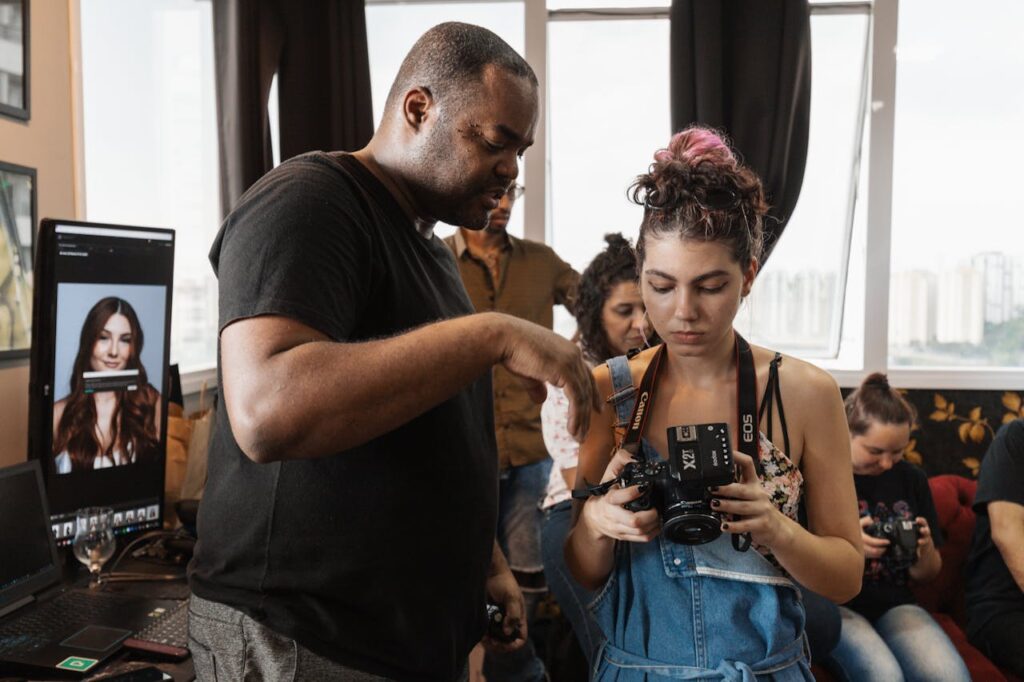
As an aspiring digital photographer, you will need a formal education of some sort to be able to build the skills you need to progress in your career. Not only that, a formal learning environment offers a lot more than just classroom learning; it offers portfolio-building opportunities, hands-on-learning experiences, guidance from industry experts, networking opportunities, and so much more.
Related: Find the best fine art photography classes for you?
However, not everyone wants to commit to a four-year college program. Thus, many prefer opting for photography and editing classes instead. Here are just some benefits of pursuing individual courses.
- Affordability – A college education can be quite costly and is a significant time and financial commitment. Photography and editing courses are a more affordable option.
- Customize your learning experience – Not all photographers need to learn photography from scratch. Through specific courses, they can focus on building the skills they need.
- Learn as you work – Photography and editing courses range from a few weeks to a few months and only last for a few hours a day, allowing students the opportunity to take on the course while working.
- Build a specialized skill set – If you want to go into a specific niche such as sports photography, you can focus on building the skills needed for that niche alone.
- Expand your skill set – Today, the world is shifting toward a skill-based job market. If you want to enhance your eligibility, an advanced degree alone is not going to help you. To stand out from the competition, you need to develop a wide skill base relevant to your profession.
Related: What are the best photography graduate programs in the US?
Photography and editing courses to help advance my photography skill set
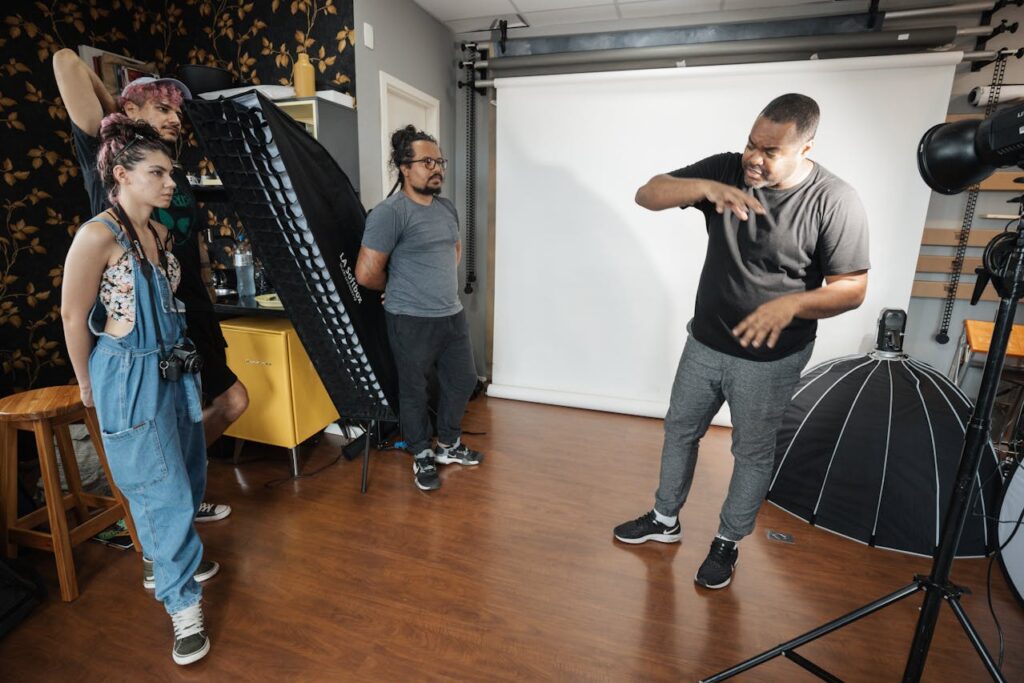
The United States’ educational landscape is filled with excellent photography and editing courses offered by renowned educational institutes and skilled professionals alike. Whether you are hoping to build a specialized skill set, expand your skill set, gain professional certifications, or become eligible for a digital photography job you aspire to pursue, you will find multiple photography courses and classes that can help you achieve your goals.
Here are just a few you can look into:
- Rocky Mountain College of Art and Design – Digital Photography Certificate
- The School of Photography – Photoshop Course for Beginners
- University of Utah – Photography and Technology Classes – Lifelong Learning
- Sony Alpha Community – Alpha Classroom – A range of free photography, videography, and Vlogging courses by experts.
- Clever Photographer – Luminar NEO Master Class
[esy_widget widget_id=”980650″]
You can also access a range of photography and editing classes online through online learning platforms such as Skillshare or Udemy. Moreover, many professional photographers also offer courses or learning opportunities. Make sure to scour their website to find more information.
Enhance your skill set with photography and editing classes!
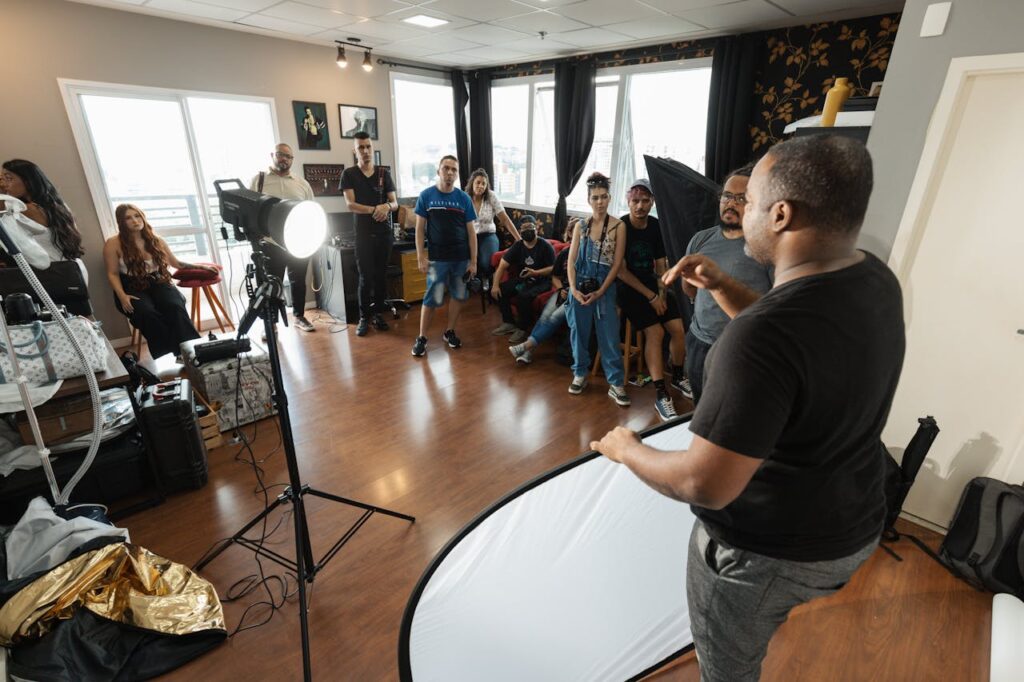
Don’t want to commit to a photography degree? You don’t have to. However, some form of professional qualification is absolutely essential, especially if you want to apply for digital photography jobs. That’s where photography and editing classes come in. Not only do these allow you to learn the skills you need, but these courses also offer affordability, learning flexibility, the ability to customize your learning plan, and so much more.
As long as you know what your goals are, you can find a relevant photography course and build the skill. Moreover, you can earn certifications that serve as formal qualifications that many employers require. All in all, photography and editing classes can be a real asset for those aspiring to progress in their photography career.
You may also be interested in: 6 tips to succeed as a freelance photographer