

Key takeaways
- Psych ward internships can enhance criminology careers by building real-world experience, critical thinking, and other essential skills.
- Psychiatric internships provide hands-on experience in patient observation, therapy sessions, documentation, crisis management, and more.
- Psychology is essential in criminology for understanding criminal behavior and developing effective prevention strategies.
- Interns learn to conduct psych evaluations, a key skill for assessing criminals, victims, and witnesses.
- Observation and one-on-one sessions help criminology students sharpen their ability to read behavior and extract insights.
- Group therapy participation teaches communication skills useful for working with uncooperative individuals in criminal investigations.
- Documentation and profiling skills gained during internships are critical for criminal categorization and investigation.
Understanding crime and criminal behavior is pertinent to the treatment of criminals and prevention of crime and that is where the field of criminology comes in. Criminology is the study of crime and criminal behavior through the application of psychological theories and principles. The use of psychology allows criminologists to gain insights into the mind of criminals, identify and understand behavioral patterns, and understand causes and consequences of crime.
So, how can psych ward internships enhance an aspiring criminologist’s learning experience? This guide explores the relationship between the two fields in detail and discusses the benefits of pursuing psych ward internships for criminology students and graduates.
What is the role of psychology in criminology?
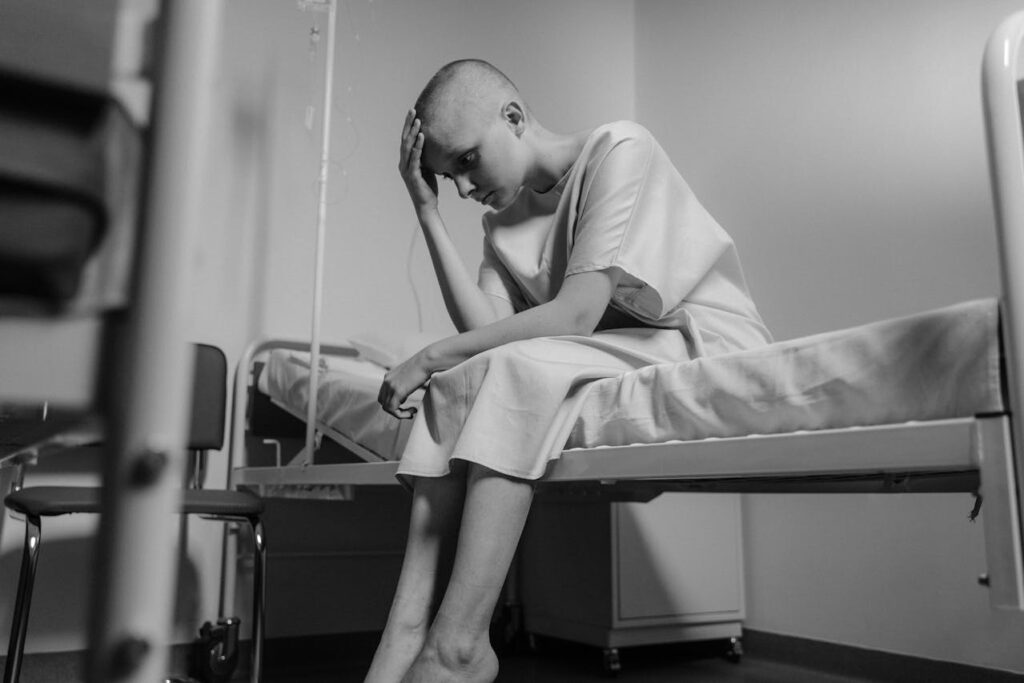
By definition, psychology is the study of the human mind and behavior to better understand feelings, emotions, actions, motivations behind behavior, and so on. It is a broad field that encompasses conscious and subconscious phenomena as well as human development, personality, emotions, social behavior, and so much more. The field of psychology is multi-faceted, including several sub-fields such as clinical psychology, forensic psychology, developmental psychology, social psychology, and more.
Even though criminology and psychology are considered two separate fields, criminology is heavily reliant on the use of psychological theories and principles for the study of crime and criminal behavior. Without the application of psychology, a criminologist cannot study the mind of a criminal nor even begin to attempt to understand criminal behavior and the underlying factors that contribute to the development of criminals.
Moreover, criminologists also use psychological theories for research purposes and in the development of treatment plans for incarcerated criminals. Additionally, they use these theories and principles to improve criminal justice administration, ensure free and fair legal proceedings, and ensure efficient prevention of the development of crime for long-term benefits.
Related: Why study criminology?
What are the typical activities in a psych ward internship?

Psych ward internships encompass a variety of activities, depending on which area of psychology a student aspires to pursue a career in. However, there are certain activities that psychology students across all fields, including clinical psychology, psychiatry, social work, or nursing, will have to undertake to complete their learning experience. Typical day-to-day activities generally include a blend of observation, clinical work, administrative tasks, educational activities, and more. Here is a deeper look at what psychiatric ward internships entail.
Patient observation
Patient observation is a very important process as it is vital for efficient diagnosis and understanding of the patient’s mental condition. Here, you will shadow the on-duty psychiatrists, psychologists, and psychiatric nurses on their rounds and monitor patients for signs of agitation, regression, or improvement.
They also observe the doctors and how they interpret behavioral cues and make a diagnosis. Additionally, they learn how to document the rounds for future reference and monitor treatment progress.
Attending team meetings
Caring for a patient is never a one-man job. It is often a multi-disciplinary and multi-team approach that provides the best results. Thus, there are regular team meetings to discuss treatment progression or regression, thereby warranting a change in treatment plan. During these meetings, experts focus on educating interns and trainees on how to create treatment plans, how to determine treatment efficacy, and how to change treatment plans, including medication changes, if needed.
Assisting in group therapy
Interns are also tasked with the responsibility of assisting or co-facilitating group therapy sessions. These include Cognitive Behavioral Therapy (CBT), substance abuse counseling, psychoeducation, coping skills sessions, and so on. Here, interns aid and learn in multiple ways. During the session, interns observe behavioral changes, take notes, and aid in group activities. Moreover, they encourage participation during therapy sessions, gently persuading silent members to share their thoughts, feelings, and emotions.
One-on-one interactions – Supervised
Besides group therapy sessions, psychologists engage in one-on-one interactions, or individual therapy sessions. During psychiatric internships, you will be asked to shadow and observe the lead psychiatrist engage with different patients to give you a better understanding of the skills and techniques needed to lead one-on-one sessions. You might even be asked to lead a session under the supervision of your superiors to give you hands-on learning opportunities, especially if you want to pursue clinical psychology.
Crisis management
Psychiatric wards are unpredictable and no two days are the same, especially with patients suffering from illnesses such as dementia, schizophrenia, alzheimers, bipolar disorders, or other severe mental illnesses. Many of these patients are volatile and can become violent really quickly. They often refuse medication and may even cause disruptions, get violent, and so on.
As an intern, you may be asked to take charge of such crisis management situations, as it really enables you to practice what you’ve learned in the classroom. Moreover, crisis management and navigation are essential skills that every psychologist must have. Do keep in mind, you will never be asked to physically restrain a patient, but will be provided the necessary training needed to secure yourself in violent situations while providing patient care.
Administrative tasks
Administrative tasks range from documentation, data entry, to chart audits, and patient record update and maintenance. Additionally, you may be asked to coordinate with external services such as consultants or social workers, and so on. All of these are essential for smooth operations in the psychiatric ward and to ensure optimal patient care. These tasks may seem meager, but they are what enable efficient patient care and teach students responsibility.
How can psych ward internships help my criminology career?
Now we come to the golden question. How do psych ward internships aid aspiring criminologists? The truth is, whether you want to go into criminology, law enforcement, or any other field within criminal justice, psych ward internships can prove incredibly beneficial. These help provide the skills and knowledge needed to understand the criminal, their behavior, pick any telling behavioral cues, conduct psych evaluations, and more.
However, psychiatric ward internships can prove especially beneficial for aspiring criminologists. Here are some activities or responsibilities that you may undertake in psych ward internships, which can enhance your criminology degree experience.
Performing psych evaluations
Psych evaluations are an important part of criminal investigations. Law enforcement professionals must all have at least some knowledge of psychiatric disorders and be able to identify early indicators of such conditions. These are important not just to determine whether a criminal is in a sound state of mind or not, but also for the evaluation of witnesses, victims, and others involved in the criminal investigation process.
Observing a patient
Observation is another key skill that criminologists must have. Body language tells you a lot more than verbal communication can, especially when it comes to criminals who are often trying to hide facts and twist information. Through psych ward internships, aspiring criminologists develop a keen eye trained to see signs that others might potentially miss.
One-on-one sessions
Criminologists primarily rely on one-on-one interviews to better understand the criminal mind. They ask questions about the criminal’s family life, childhood, development years, and their thought process while committing the crime. The answers to such questions help them identify underlying factors that contributed to the development of criminal behavior and outline any potential treatment for the prevention of the development of criminals later on.
Assisting in group therapy sessions
Group therapy sessions can prove beneficial in cases where criminals are not forthcoming with information in individual sessions. With the training obtained through psych ward internships, criminologists can guide these group sessions to alleviate discomfort and encourage the less forthcoming individuals to be a bit more communicative.
Documentation and record maintenance
Efficient documentation can help categorize criminals, which is one of the key tasks of criminologists. Criminal profiling not only helps better understand the criminal mind, but also aids law enforcement professionals in future investigations, helping them identify similarities in Modus Operandi, which can speed up the investigation process. Criminal profiling is also one of the most important and financially rewarding criminology career paths.
Related: How to become an FBI profiler?
Where can I find psych ward internships?

You will definitely be able to access psych ward internships through connections and networking opportunities provided during your college education. In case those efforts are unfruitful, you can always go online to search for available internships through online job hunting platforms such as LinkedIn or Indeed. You can also search official websites of medical boards, hospitals, and psychiatric institutions.
Additionally, you can reach out to psychiatrists and psychologists and ask to be able to intern with them. Make sure to find qualified professionals who not only focus on clinical psychology but also give time to psych wards. By shadowing such professionals, you can develop a broader range of skills and enhance your learning opportunities.
Gain skills needed for criminology careers with psych ward internships!
To sum it up, yes, psychiatric internships can prove extremely beneficial for a criminology career. Through the internship, you will learn patient handling, diagnosing, treatment, monitoring, and all other aspects involved in caring for patients with psychological illnesses and other mental health problems. The diversity of patients you will be exposed to during these internships can broaden your learning scope and really enable you to take on the challenges criminologists face when dealing with criminals.
Moreover, with psych ward internships, you can gain supplementary skills that can come in handy when dealing with victims and witnesses. All in all, if you want to develop a well-rounded skill set for a field like criminology, psych ward internships are a great soft launch into the work field.